Frequently Asked Questions
Have a question? We’ve answered the most common ones below.
OrthoFi is a preferred vendor and vetted by Griffin Orthodontics. OrthoFi is a secure online patient financial platform that makes it easy to review treatment costs, manage payments, and access your account anytime.
In many cases, Health Savings Account (HSA) funds or FSA funds to help pay for orthodontic treatment. Check with your plan administrator for eligibility.
Yes. Our team will review your orthodontic benefits and explain your estimated coverage before treatment begins.
Yes. Through OrthoFi, you can conveniently manage your account and set up automatic payments online.
Every child’s smile is different, so treatment costs vary. After an orthodontic evaluation, we’ll explain the recommended treatment, review your insurance benefits, and discuss flexible payment options.
The cost of braces depends on your unique orthodontic needs, the type of treatment you choose, and the length of treatment. During your free consultation, we’ll provide a personalized treatment plan and explain all costs before you decide to begin.
Most patients feel a brief sensation of pressure across the bridge of the nose or teeth for about 5–10 minutes after a turn, but it is rarely described as “pain.”

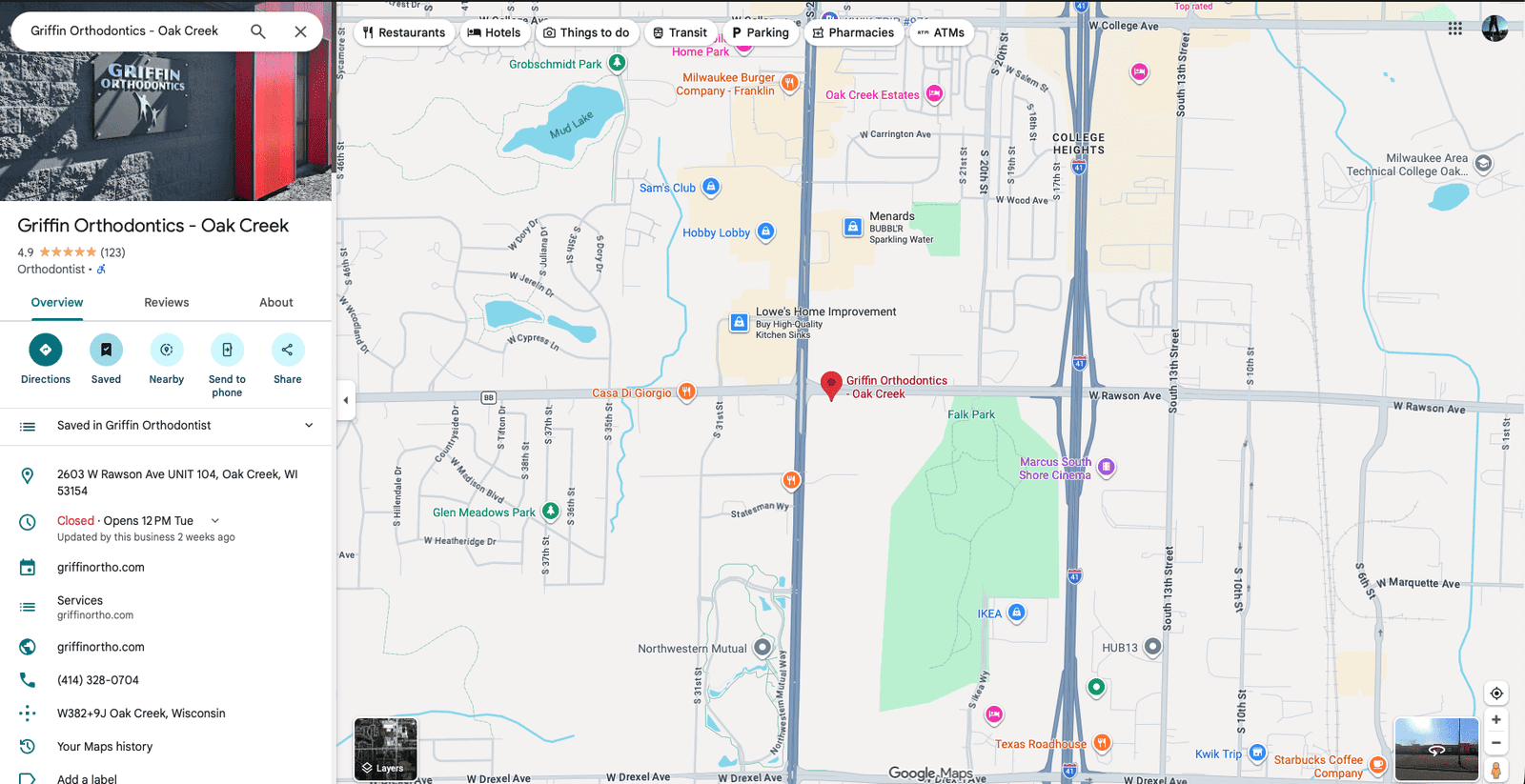
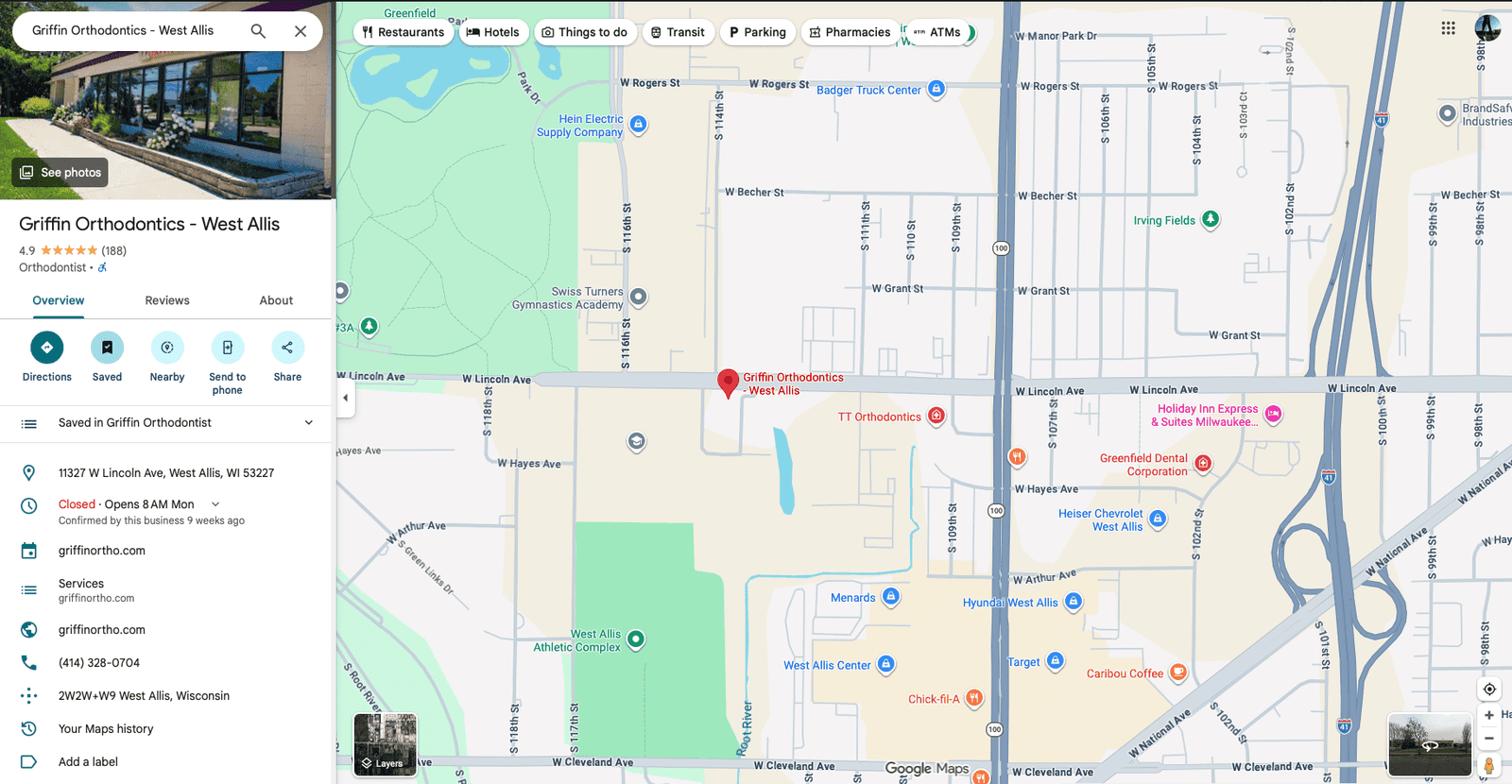
The American Association of Orthodontists recommends a child have their first check-up by age 7. At this stage, we can monitor jaw growth and the transition from baby teeth to permanent teeth. Early evaluation at our Oak Creek or West Allis offices allows us to catch potential issues early, often making future treatment faster and less invasive.
Yes, there is usually just a small learning curve. Most young musicians find that after a week or two of practice, they can play their trumpet, flute, or clarinet just as well as before. We provide plenty of orthodontic wax to help cushion the lips during those first few practice sessions, ensuring your child can stay active in their school band or orchestra.
This is a common concern for parents when deciding between Spark™ Clear Aligners and fixed braces. Because aligners are removable for eating and sports, they can occasionally be misplaced in a school cafeteria or locker room. If your child struggles with organization or is prone to losing track of their belongings, traditional or LightForce™ 3D-printed braces might be the better choice. These “fixed” options remain bonded to the teeth throughout treatment, removing the responsibility of tracking removable trays and ensuring the process stays on schedule without the added cost or delay of ordering replacement aligners.
Absolutely. We work with many local Milwaukee schools to find appointment times that minimize time away from the classroom. Many parents prefer starting treatment during a school break so their child has a few days to get used to the feel of braces, but we successfully start new smiles all year round.
Yes! This is often referred to as Phase 1 treatment. We sometimes place braces on just a few permanent teeth while baby teeth are still present to correct a specific issue, like a crossbite or severe crowding, that could cause bigger problems later. Once those baby teeth fall out, we typically take a “rest” period before starting Phase 2 when all permanent teeth are in.
Absolutely! One of the most exciting parts for kids and teens getting braces is the ability to personalize their smile. We offer a wide variety of colored bands that can be swapped out at every adjustment appointment, typically every 4 to 8 weeks. Whether they want to represent their school colors, match a holiday theme, or just pick their favorite shades, Dr. Griffin and our team love helping patients express their personality through their orthodontic journey.
When it comes to comfort and effectiveness, Spark Clear Aligners really stand out against traditional braces. Many people find that clear aligners are more comfortable since they don’t have the metal brackets and wires that can cause irritation. Plus, with affordable clear aligners like those offered in Milwaukee, achieving that perfect smile is not only easier but also a lot more pleasant! So, if you’re looking for a friendly way to straighten your teeth, clear aligners might just be the way to go.
Absolutely! At Griffin Orthodontics, we offer a variety of flexible payment options to make orthodontic care affordable and convenient for every patient. We accept traditional payment methods like cash, checks, and major credit cards, and we’re happy to work with you to set up customized payment plans that fit your budget.
You can also use your Health Savings Account (HSA) or Flexible Spending Account (FSA) to cover orthodontic expenses. Many patients find that using their HSA or FSA is a smart way to manage out-of-pocket costs while taking advantage of tax savings. If you have any questions about payment plans or how to use your benefits, our team is here to guide you every step of the way.
Orthodontic treatment costs can vary based on the length and complexity of care. For most cases requiring 12 to 36 months of treatment, the average cost ranges from $3,800 to $6,500. If your child needs early interceptive treatment, which typically lasts 8 to 15 months, costs may be up to $3,600. Every smile is unique, so we’re here to provide personalized care that fits your family’s needs and budget.
Absolutely! Braces don’t have to stop your child from enjoying their favorite sports. With the right precautions, like wearing a properly fitted orthodontic mouthguard, your child can safely participate in both contact and non-contact sports without worrying about damaging their braces or teeth
Orthodontic treatments for children include traditional metal braces, clear ceramic braces, and clear aligners like Spark. The choice of treatment depends on the specific dental issues and the child’s needs. It’s important to discuss all available options with your orthodontist to determine the best plan for your child
Braces should not prevent children from participating in sports or playing musical instruments. However, it might take some time to adjust. For contact sports, wearing a mouthguard is recommended to protect both the braces and the teeth. With musical instruments, especially wind instruments, children may need to practice to get used to playing with braces
Early orthodontic treatment, often referred to as Phase One, can address significant issues such as severe crowding or jaw misalignment. By intervening early, orthodontists can guide the growth of the jaw and create a better environment for permanent teeth to emerge, potentially reducing the need for more extensive treatments later. Additionally, early treatment can improve self-esteem and oral function
Still have questions?
Fill out the form below and we’ll get back to you fast.