Introduction
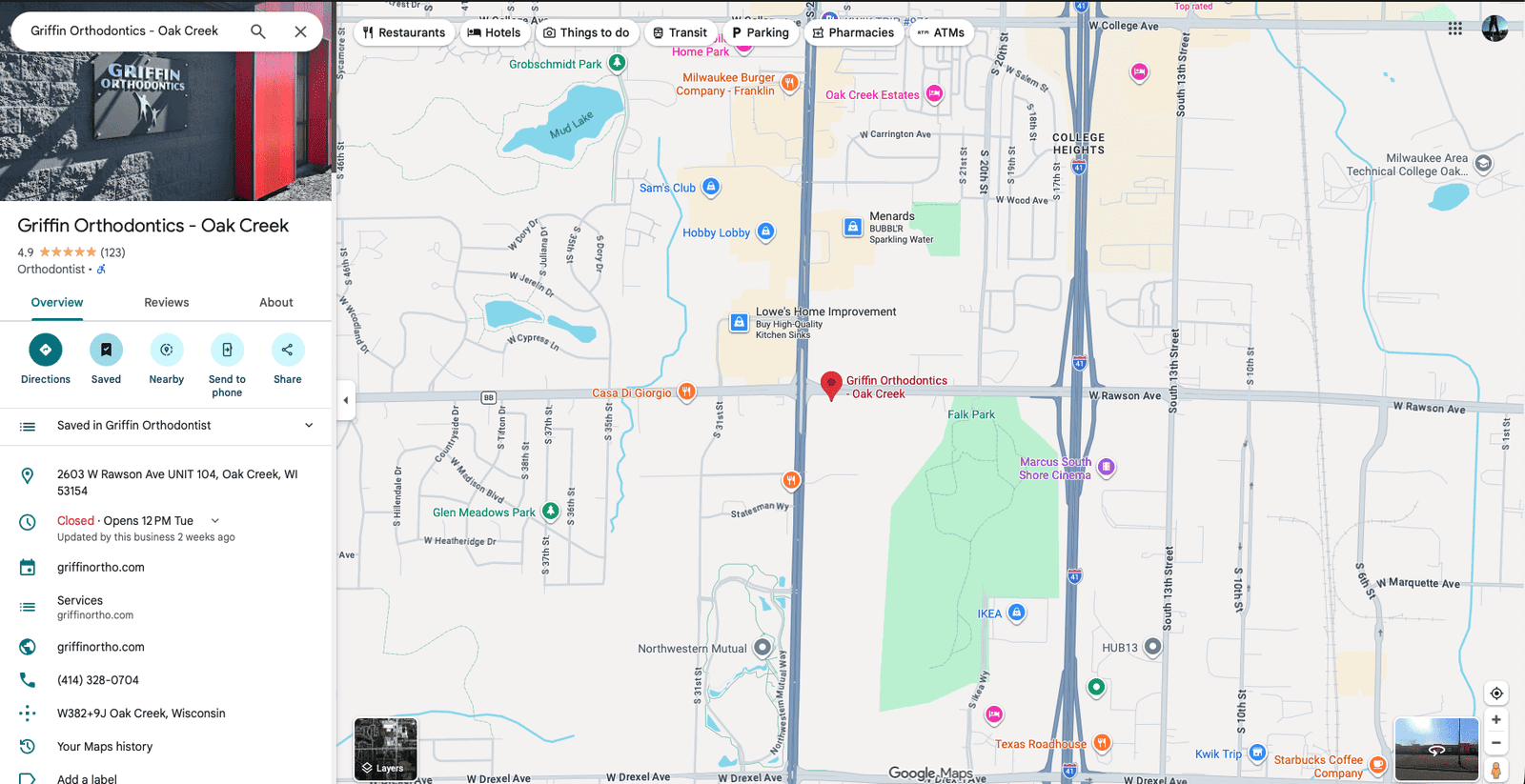
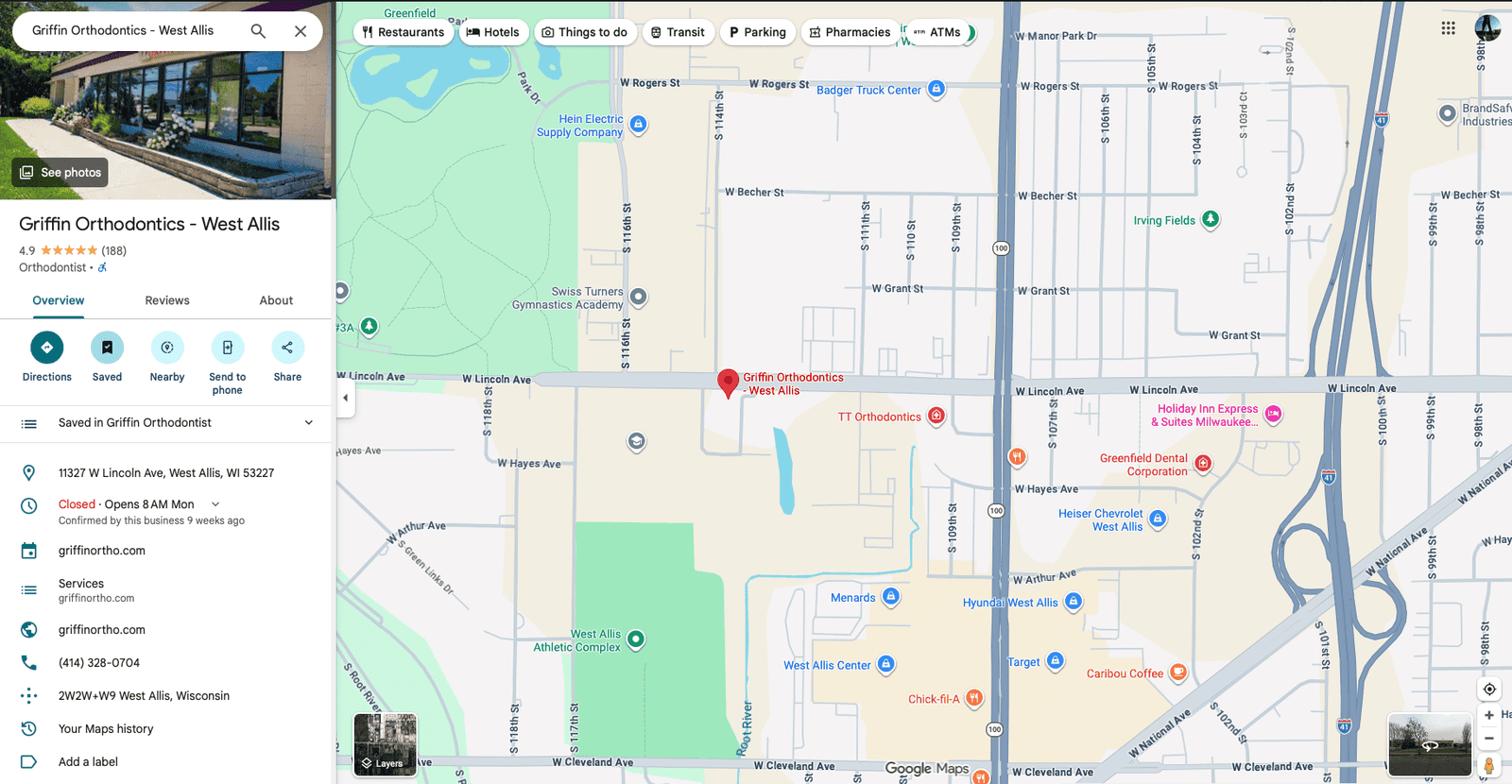
The number one question we hear at our Oak Creek and West Allis offices is not about wires or aligners. It is about money. Payment plans for braces are often the deciding factor between starting treatment now and putting it off for another year, so we want to be upfront about how paying for orthodontic care actually works.
Here is the short version. Griffin Orthodontics accepts nearly every way a Milwaukee family might want to pay, from cash and check to flexible monthly plans through OrthoFi. Most patients never pay for treatment in one lump sum. They spread it out, apply insurance benefits, and use pre-tax dollars from an HSA or FSA to bring the real cost down.
This guide walks through every option. And if anything is still unclear when you finish reading, that is exactly what your free initial consultation is for.
Your Treatment Options at Griffin Orthodontics
Before we talk payment, it helps to know what you are paying for. Dr. Griffin offers five core treatment paths at both Milwaukee area locations, and each one is quoted individually based on the complexity of your case. This guide walks through every option. And if anything is still unclear when you finish reading, that is exactly what your free initial is for.





Every option above works with every payment method below. There is no treatment type that requires payment in full.
Every Payment Method We Accept
We built our payment options around one idea: the way you pay should never be the reason you wait on treatment. Here is the full list.
Insurance, HSA, and FSA: Three Insurance Benefits You Already Have
A lot of Milwaukee families are sitting on benefits they have not fully used. Here is how each one applies to orthodontic treatment.
Dental insurance. If your plan includes orthodontic coverage, it typically pays a percentage of treatment up to a lifetime maximum. Two things to check with your carrier before you start: whether your plan has a waiting period, and whether benefits are paid to the practice or to you. Our team verifies your coverage during your consultation, so you will know your exact out of pocket number before making any decision. And if you have no insurance at all, you are in good company. Plenty of our patients start treatment without it and simply use a monthly plan instead.
HSA. Health Savings Account dollars are pre-tax, and orthodontic treatment is a qualified medical expense. If you or your employer contribute to an HSA, those funds can go directly toward braces or clear aligners for you or your dependents.
FSA. Flexible Spending Accounts work similarly, with one catch: most FSA funds expire at the end of your plan year. If you have a balance sitting in your FSA this fall, an orthodontic down payment is one of the smartest ways to use it before it disappears.
Many families combine all three. Insurance covers its portion, HSA or FSA dollars handle the down payment, and a monthly plan covers the rest.
Orthodontic Payment Plans for Kids, Teens, and Adults
Payment questions look different depending on who is getting treatment, so here is how it tends to play out for Milwaukee families.
Braces for kids and teens. Parents usually juggle treatment costs alongside everything else a growing family spends money on. This is where monthly plans do the heavy lifting. A palatal expander followed by braces can be structured as one predictable monthly payment rather than two separate financial events. If your child sees Dr. Griffin early, around age seven as the American Association of Orthodontists recommends, you also get more time to plan financially before full treatment begins.
Braces for adults. Adult patients at our Oak Creek and West Allis offices often care most about two things: discreet treatment and predictable payments. Spark Clear Aligners and LightForce clear braces cover the first. OrthoFi covers the second, since you set your own monthly amount rather than accepting a fixed plan. Adults are also the biggest users of HSA funds, which makes treatment meaningfully cheaper in real dollars.
Whichever camp you fall into, the structure is the same: a personalized quote at your free consult, then a payment arrangement built around your actual budget.
Estimate Your Monthly Payment Before You Visit
If you want a ballpark number before ever setting foot in the office, use our orthodontic payment calculator. Enter a treatment estimate, adjust the down payment, and pick a term length. The calculator shows your projected monthly payment instantly.
It is not a formal quote, since your actual treatment cost depends on your specific case. But it is a great way to see that the monthly number is probably smaller than you feared.

Common Misconceptions
Myth: You have to pay for braces upfront. Almost no one does. Monthly payment plans are the standard way patients pay for orthodontic treatment, and we structure them around your budget, not the other way around.
Myth: No dental insurance means braces are out of reach. Insurance helps, but it is optional. Between in-house plans, OrthoFi, and HSA or FSA funds, patients without any orthodontic coverage start treatment at our offices every week.
Myth: Financing braces means credit card interest rates. Our payment plans are structured through the practice and OrthoFi, not as high interest consumer debt. You will see every number, including the total, before you sign anything.
Conclusion
Paying for braces in Milwaukee does not require a big check or perfect insurance. It requires a plan, and building that plan is what we do at every free consultation. Dr. Griffin’s team will walk you through your treatment options, verify your insurance, and put together a monthly payment that actually fits your life.
Ready to see your numbers? Try the payment calculator, or schedule your free consultation at our Oak Creek or West Allis office today.