Frequently Asked Questions
Have a question? We’ve answered the most common ones below.
This is a common concern for parents when deciding between Spark™ Clear Aligners and fixed braces. Because aligners are removable for eating and sports, they can occasionally be misplaced in a school cafeteria or locker room. If your child struggles with organization or is prone to losing track of their belongings, traditional or LightForce™ 3D-printed braces might be the better choice. These “fixed” options remain bonded to the teeth throughout treatment, removing the responsibility of tracking removable trays and ensuring the process stays on schedule without the added cost or delay of ordering replacement aligners.
Absolutely. We work with many local Milwaukee schools to find appointment times that minimize time away from the classroom. Many parents prefer starting treatment during a school break so their child has a few days to get used to the feel of braces, but we successfully start new smiles all year round.
Yes! This is often referred to as Phase 1 treatment. We sometimes place braces on just a few permanent teeth while baby teeth are still present to correct a specific issue, like a crossbite or severe crowding, that could cause bigger problems later. Once those baby teeth fall out, we typically take a “rest” period before starting Phase 2 when all permanent teeth are in.
Absolutely! One of the most exciting parts for kids and teens getting braces is the ability to personalize their smile. We offer a wide variety of colored bands that can be swapped out at every adjustment appointment, typically every 4 to 8 weeks. Whether they want to represent their school colors, match a holiday theme, or just pick their favorite shades, Dr. Griffin and our team love helping patients express their personality through their orthodontic journey.
Yes! Spark Clear Aligners and traditional braces are both qualified medical expenses. You can use your HSA or FSA debit card directly at our office.
Yes, clear aligners can be highly effective for many orthodontic issues, although some complex cases may still require traditional braces for optimal results. All estimations are based on each respective patients free consultation.
The cost of clear aligners is often covered by insurance. Ask your insurance provider or employment benefits administrator if aligner therapy is covered under your dental insurance plan and what your coverage provides. Also, ask the orthodontic practices you are considering if they offer payment plans to make your aligner treatment easier to pay.
When it comes to comfort and effectiveness, Spark Clear Aligners really stand out against traditional braces. Many people find that clear aligners are more comfortable since they don’t have the metal brackets and wires that can cause irritation. Plus, with affordable clear aligners like those offered in Milwaukee, achieving that perfect smile is not only easier but also a lot more pleasant! So, if you’re looking for a friendly way to straighten your teeth, clear aligners might just be the way to go.
Spark Clear Aligners are made from TruGEN™ material, which is designed to be more transparent, stain-resistant, and comfortable than other leading brands. Many patients find they provide a more discreet look and a gentler fit on the gums.
To protect your braces and ensure efficient treatment, we recommend avoiding very hard, sticky, or chewy foods. This includes popcorn, nuts, hard candies, chewing gum, and sticky caramel. We’ll provide a full list of food guidelines at the start of your treatment.
While KL Owen Braces are metal, their sleek, low-profile design is often less bulky than older traditional braces. For those seeking even more discretion, we also offer clear self-ligating braces or Spark™ Clear Aligners, which are virtually invisible, making them popular choices for young adults and adults who are self-conscious about their appearance during treatment
The cost of orthodontic treatment varies based on the complexity of your case, the type of braces chosen (e.g., KL Owen Braces, Spark clear aligners), and the length of treatment. We offer a comprehensive consultation to provide a personalized treatment plan and detailed cost breakdown. We believe in transparency with no hidden fees.
Yes, KL Owen Braces are highly versatile and effective for a wide range of orthodontic concerns, from simple crowding and spacing to more complex bite irregularities like overbites, underbites, and crossbites. Their precision engineering allows for excellent control and predictable outcomes
KL Owen Braces are a type of advanced self-ligating braces. Unlike traditional braces that use small elastic bands to hold the wire, KL Owen Braces feature a built-in, low-friction clip mechanism. This design can lead to:
- Fewer appointments
- Potentially shorter treatment times
- Improved comfort
- Easier cleaning due to no elastic ties. They represent a significant step forward in orthodontic technology.
When braces are first put on, or after adjustments, your child might experience some soreness or discomfort for a few days as their teeth begin to shift. This is usually manageable with over-the-counter pain relievers and soft foods. Most people adapt quickly and find the discomfort to be temporary.
Once the braces are removed, the journey isn’t quite over! To keep the newly straightened teeth from shifting back, your child will need to wear a retainer. This can be either a removable one worn mostly at night or a fixed one bonded behind the teeth. Retainers are crucial for maintaining that beautiful new smile for years to come.
There are several types of braces to choose from, each with its own advantages. The most common include traditional metal braces, ceramic braces (which are less noticeable), and clear aligners like Spark. At Griffin Orthodontist we will help you decide which type is best for your child’s specific needs and lifestyle.
Children might need braces for various reasons, such as crooked teeth, overcrowded teeth, gaps between teeth, or problems with their bite (like an overbite or underbite). Getting braces can improve their chewing, speaking, and overall oral health, in addition to boosting their confidence.
Braces are special tools dentists and orthodontists use to straighten teeth and correct bites. Think of them as gentle guides that slowly move teeth into their proper positions over time, helping to create a healthier, more beautiful smile.
Absolutely! At Griffin Orthodontics, we offer a variety of flexible payment options to make orthodontic care affordable and convenient for every patient. We accept traditional payment methods like cash, checks, and major credit cards, and we’re happy to work with you to set up customized payment plans that fit your budget.
You can also use your Health Savings Account (HSA) or Flexible Spending Account (FSA) to cover orthodontic expenses. Many patients find that using their HSA or FSA is a smart way to manage out-of-pocket costs while taking advantage of tax savings. If you have any questions about payment plans or how to use your benefits, our team is here to guide you every step of the way.
Definitely! If you’re thinking about starting Invisalign or SPARK aligners, the iTero Scanner is a game-changer. Instead of dealing with old-school gooey molds, we use the iTero to quickly create a super detailed 3D scan of your teeth. This makes your aligners fit better, feel more comfortable, and helps your treatment stay on track.
Even better? The iTero scanner lets Dr. Griffin show you a real-time preview of how your smile could look after treatment. You’ll know exactly what to expect before you even get started—no surprises. And the best part: it’s all included as part of your care, no extra fees. Just a faster, easier way to get the smile you’ve been waiting for.
Orthodontic treatment length depends on each patient’s case, but most people at Griffin Orthodontics complete treatment in about 12 to 24 months. Minor adjustments or early-phase treatments can take less than a year, while more complex cases (for example, significant bite corrections) might take up to about 2 years. Whether you choose LightForce braces or Spark Clear Aligners, our West Allis orthodontist will give you an estimated timeframe after evaluating your smile. With modern techniques and regular check-ups, we make sure your treatment stays on schedule as much as possible. Remember, following your orthodontist’s instructions (like wearing aligners as directed or keeping appointments) also helps finish your treatment on time.
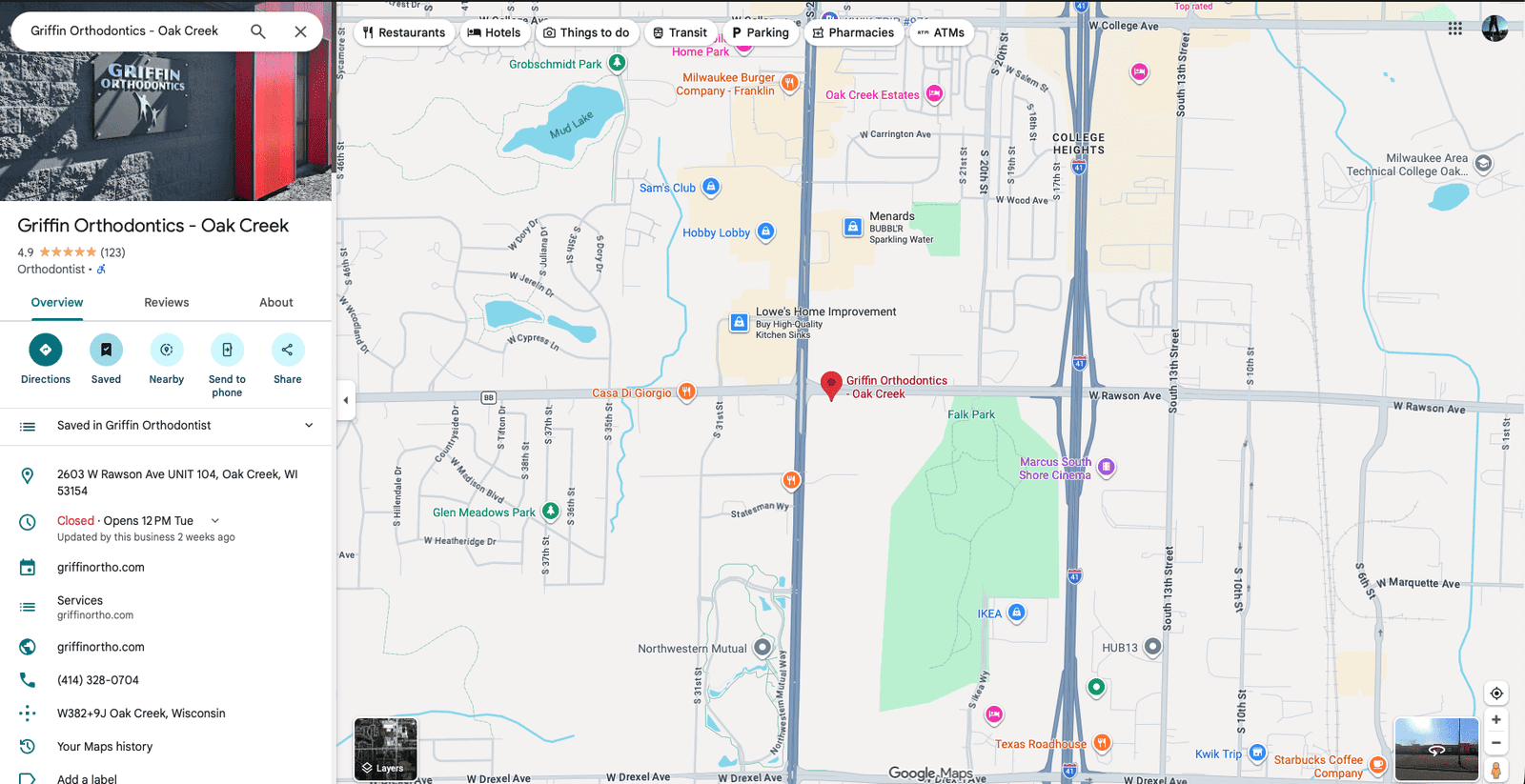
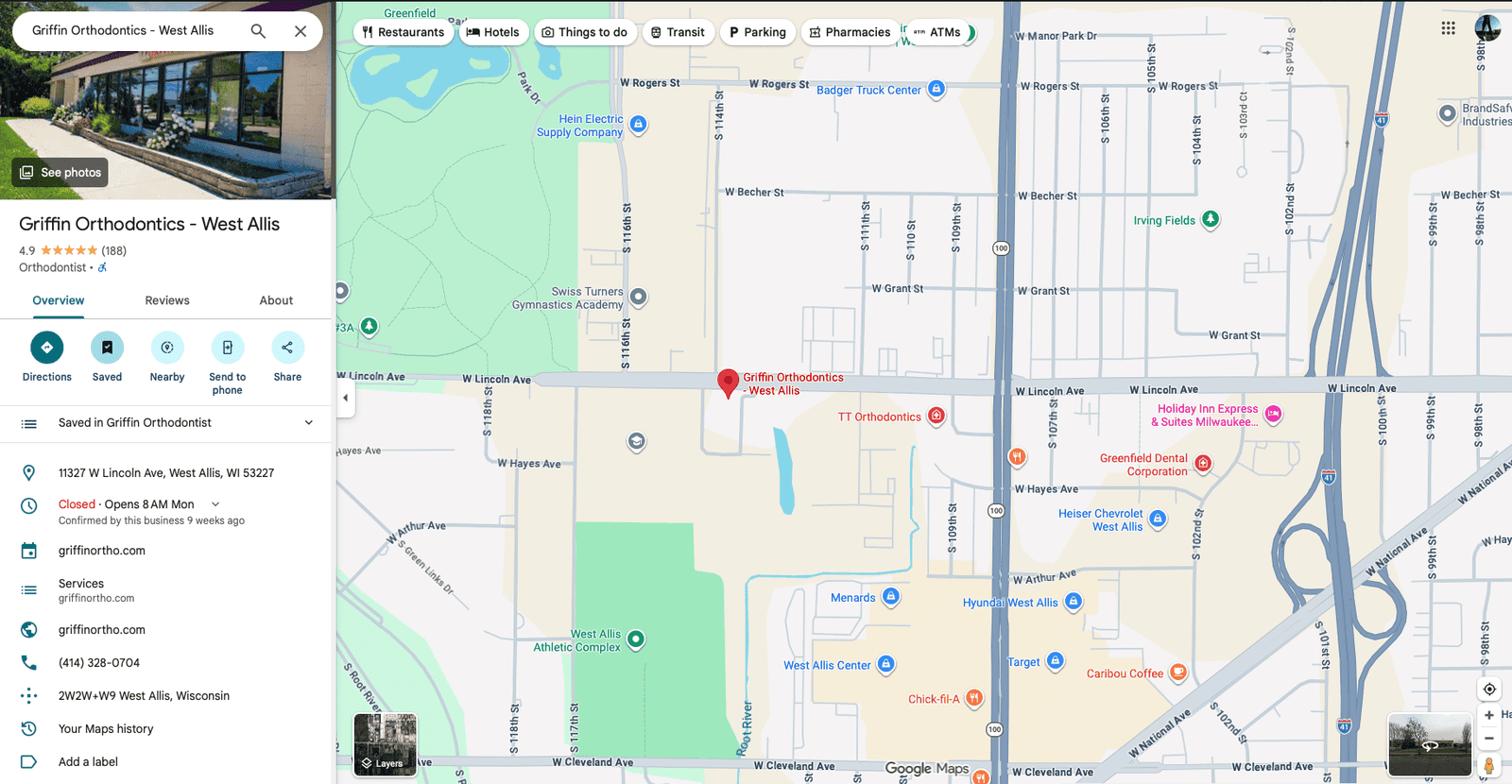
Yes. Griffin Orthodontics treats patients of all ages – children, teens, and adults – at our West Allis and Oak Creek offices. For children, we offer early evaluations (usually around age 7) and treatments like palatal expanders or early-phase braces to guide jaw growth and make future corrections easier. Teens can get traditional braces (with options like clear or LightForce braces) or clear aligners like Spark for a nearly invisible option during high school years. Adults are also welcome – it’s never too late to improve your smile, and we provide discreet treatment choices such as ceramic braces or Spark Clear Aligners to fit adults’ lifestyles. Our team personalizes treatment plans for each age group to ensure the best results and a comfortable experience.

Still have questions?
Fill out the form below and we’ll get back to you fast.